
Why Now Is a Great Time for an East Africa Safari: Tourism Surge, Travel Trends & What’s Happening This Week
Introduction: East Africa at the Center of Global Travel Attention
East Africa has always held a special place on the global travel map, but as we move deeper into 2026, the region is experiencing renewed attention and momentum like never before. From record-breaking tourist arrivals to increased global interest in sustainable and cultural travel, East Africa is firmly positioned as one of the world’s most exciting safari destinations right now.
Kenya and Tanzania in particular are seeing strong forward bookings, improved air connectivity, and growing confidence from international travelers. At the same time, global travel trends are shifting toward meaningful experiences, slower travel, and nature-based escapes — all of which align perfectly with what East Africa offers best.
For travelers considering an African safari, and for those already dreaming of the savannahs, wildlife encounters, and cultural immersion, the timing could not be better. In this article, we explore why now is an ideal moment to plan an East Africa safari, what current affairs mean for travelers, and how Toto Tembo Safaris is perfectly positioned to deliver unforgettable, safe, and well-curated experiences.
A Surge in Safari Tourism Across East Africa
East Africa is currently experiencing a noticeable rise in safari tourism, driven by a combination of pent-up demand, improved infrastructure, and increased global visibility. After several years of disrupted travel worldwide, travelers are now prioritizing destinations that offer space, nature, authenticity, and emotional value.
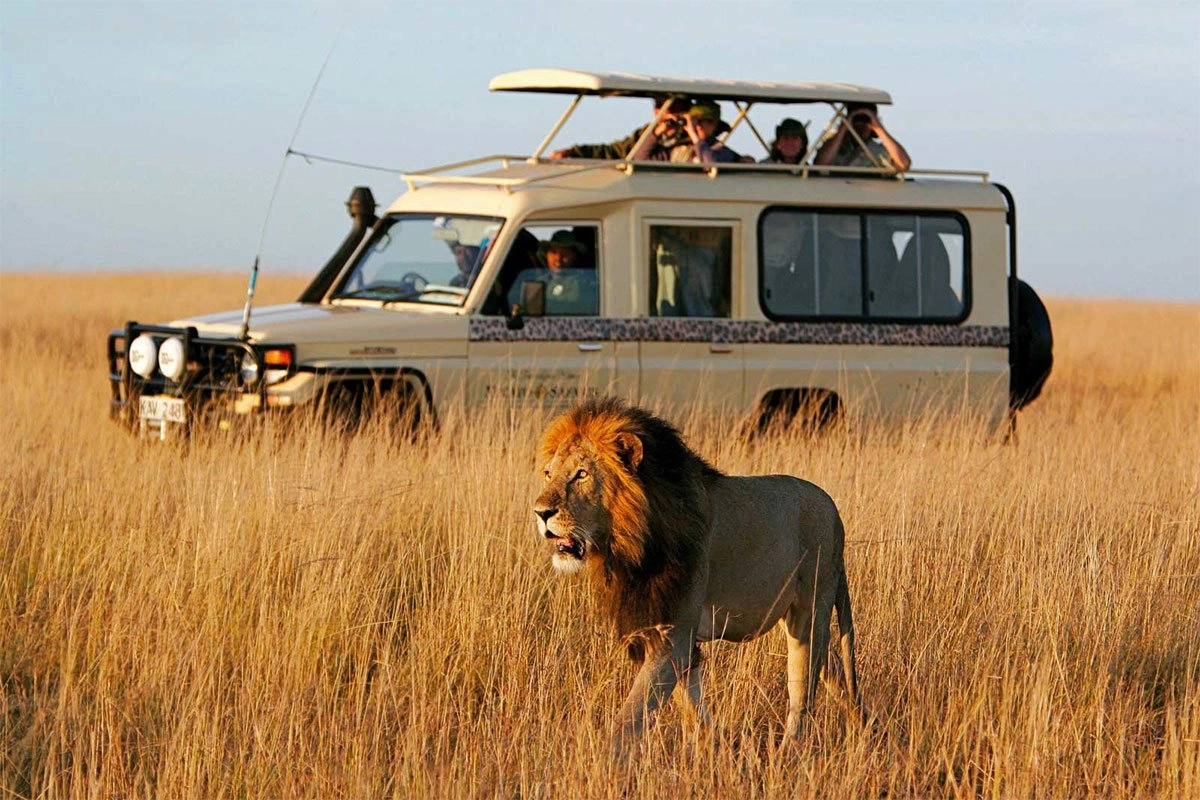
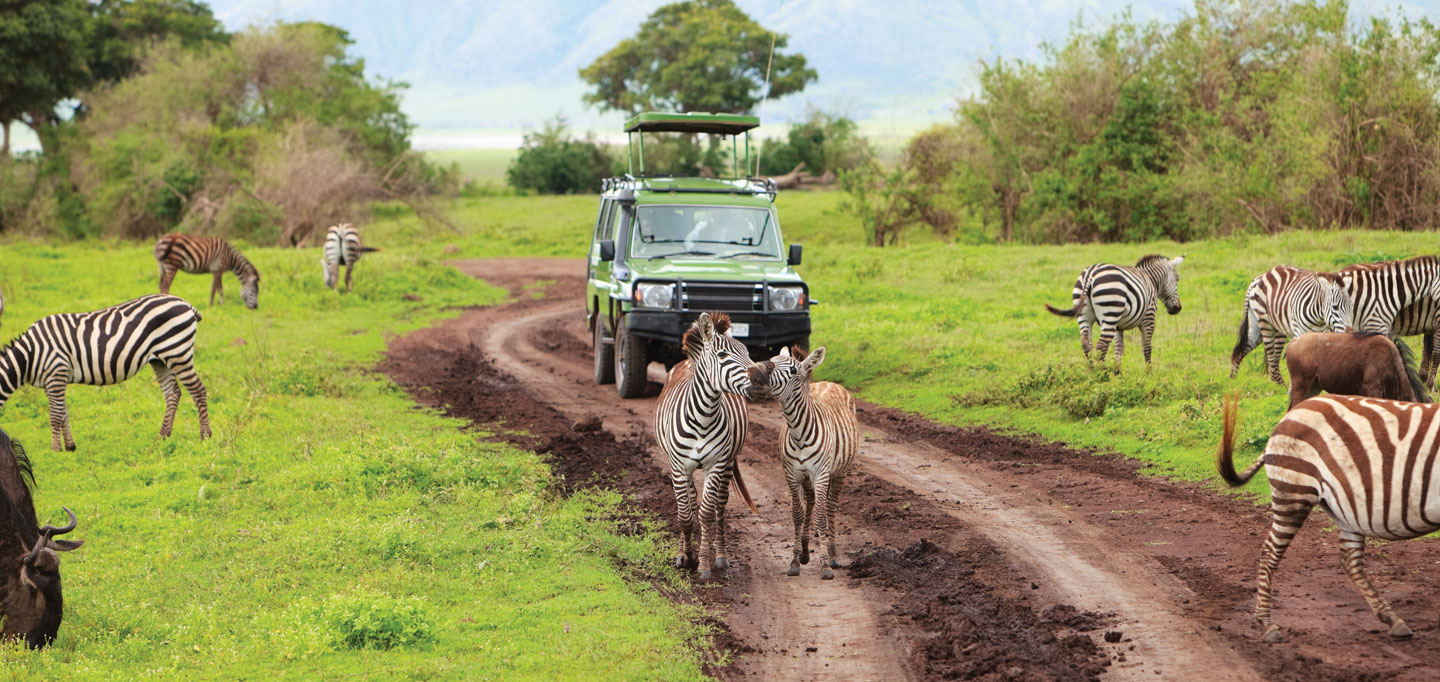
Kenya’s Masai Mara, Amboseli National Park, Tsavo East and West, Lake Naivasha, and Samburu are recording higher visitor interest, while Tanzania’s Serengeti, Ngorongoro Conservation Area, Tarangire, and Lake Manyara continue to attract travelers seeking iconic wildlife encounters.
This surge is not accidental. Governments and tourism boards across East Africa have invested heavily in:
Improved park management and conservation
Enhanced road and air access to safari regions
Streamlined visa processes and regional travel agreements
Stronger safety and tourism standards
For safari travelers, this means better services, well-maintained parks, and more professional safari operations — while still preserving the raw, untamed beauty that makes East Africa so special.
Global Travel Trends That Favor East Africa in 2026
1. Nature-First and Wildlife Travel
Globally, travelers are moving away from overcrowded cities and resort-only holidays. Instead, there is a strong preference for open landscapes, fresh air, and immersive nature experiences. East Africa offers exactly that — vast national parks, open savannahs, mountain backdrops, and rich biodiversity.
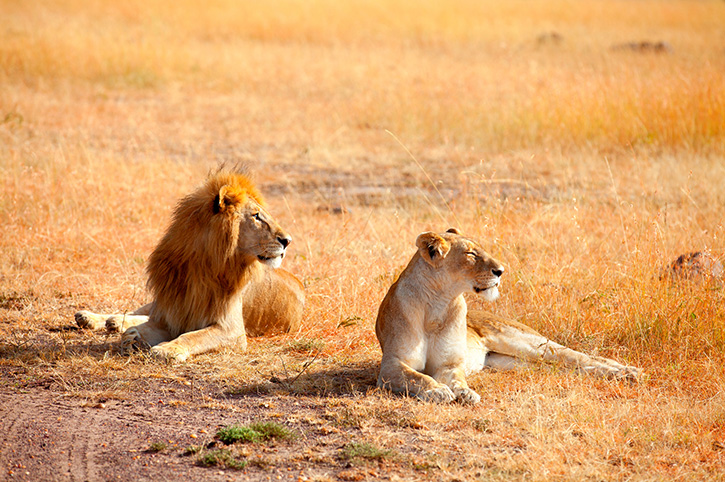
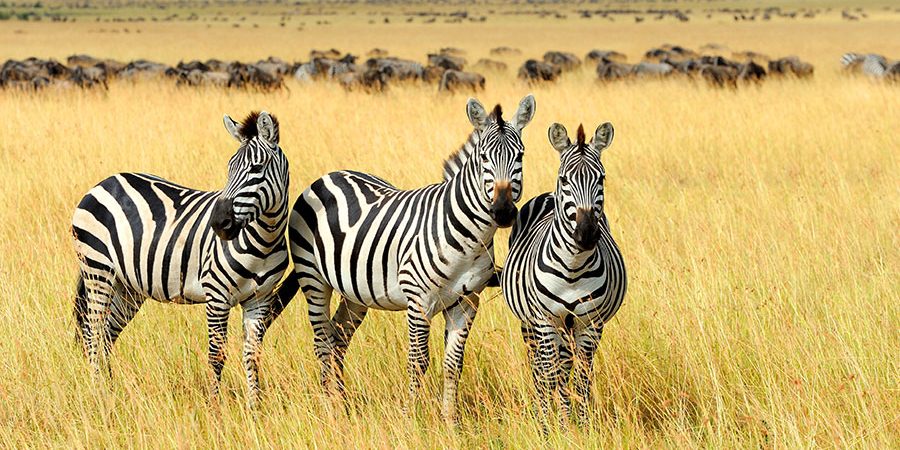
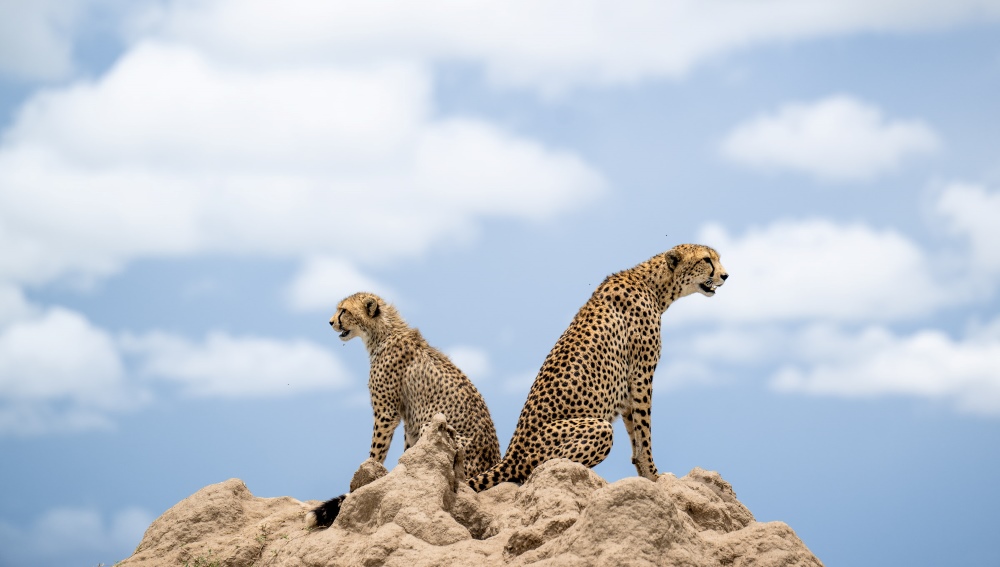
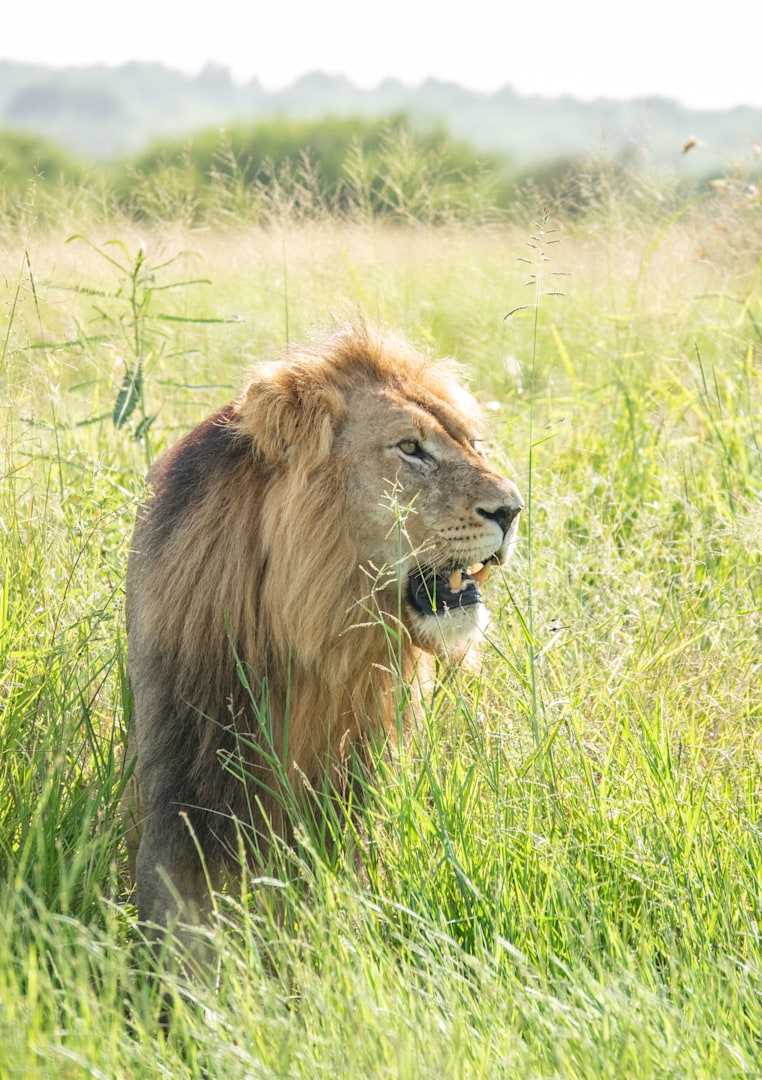
Safaris in Kenya and Tanzania provide opportunities to see the Big Five, witness predator-prey interactions, and experience seasonal spectacles such as the Great Wildebeest Migration. These experiences are increasingly viewed as once-in-a-lifetime journeys rather than ordinary holidays.
2. Sustainable and Responsible Tourism
Sustainability is no longer optional. Today’s travelers want to know how their trips impact local communities and wildlife. East Africa has made significant progress in community-based tourism, conservancies, and eco-lodges that support conservation while benefiting local people.
At Toto Tembo Safaris, responsible travel is central to our safari philosophy. We work with licensed guides, reputable lodges, and ethical partners to ensure that every safari supports conservation and respects local cultures.
3. Cultural and Experiential Travel
Beyond wildlife, today’s travelers are seeking deeper, more meaningful connections. Cultural encounters with the Maasai, Samburu, and other indigenous communities add powerful context to a safari experience in East Africa.
Visiting traditional villages, learning ancestral customs, and understanding local ways of life transforms a safari from simple sightseeing into a story-rich journey rooted in human connection.
This growing travel trend strongly favors East Africa, where culture and wildlife coexist in a way that is both authentic and deeply enriching.
Safety, Stability, and What Current Affairs Mean for Travelers
News headlines about Africa can sometimes paint the region with a broad brush. However, it is important to distinguish localized political issues from well-established and professionally managed safari destinations.
Kenya and Tanzania remain among the most stable and tourism-friendly countries in Africa. Major safari circuits are far removed from any regional tensions, and tourism continues to be a vital pillar of the economy.
Travelers visiting East Africa today benefit from:
- Well-established tourism infrastructure
- Highly trained and professional safari guides and drivers
- Secure national parks and protected conservancies
- Clear government support for tourism safety and visitor protection
At Toto Tembo Safaris, guest safety is a top priority. From reliable airport transfers to carefully planned
3. Cultural and Experiential Travel
Beyond wildlife, travelers are seeking deeper connections. Cultural encounters with the Maasai, Samburu, and other indigenous communities add meaningful context to a safari experience. Visiting villages, learning traditions, and understanding local ways of life transforms a safari from sightseeing into storytelling.
This trend strongly favors East Africa, where culture and wildlife coexist in a unique and authentic way.
Safety, Stability, and What Current Affairs Mean for Travelers
News headlines about Africa can sometimes paint the region with a broad brush, but it is important to separate localized political issues from established safari destinations.
Kenya and Tanzania remain among the most stable and tourism-friendly countries in Africa. Major safari circuits are far removed from any regional tensions, and tourism remains a key pillar of the economy, supported by strong security, professional park management, and international standards.
Travelers visiting East Africa today benefit from:
- Well-established tourism infrastructure
- Professional safari guides and drivers
- Secure national parks and conservancies
- Clear government support for tourism safety
At Toto Tembo Safaris, guest safety is a top priority. From airport transfers to safari routes and accommodation choices, every itinerary is planned with safety, comfort, and reliability in mind.
Climate, Seasons, and Why Timing Matters
Understanding East Africa’s seasons is essential when planning a safari, and current climate patterns make the coming months particularly appealing.
Dry Season Advantages
The dry season offers:
- Better wildlife visibility around water sources
- Easier game viewing due to shorter grass
- Comfortable travel conditions on safari roads
- Ideal photography light and clear skies
This period is especially popular for safaris in the Masai Mara and Serengeti, where wildlife activity remains high.
Green Season Opportunities
While the green season brings occasional rain, it also offers:
- Lush landscapes and dramatic scenery
- Fewer crowds in national parks
- Excellent birdwatching
- More attractive safari pricing
Toto Tembo Safaris helps travelers choose the best timing based on interests, budget, and travel style — ensuring the best possible safari experience regardless of season.
Hospitality Growth and Confidence in East Africa Tourism
Another positive signal for travelers is the continued investment by international hospitality brands and regional lodge operators across East Africa. New lodges, upgraded camps, and improved services reflect strong confidence in the long-term growth of safari tourism.
This growth benefits travelers through:
- Higher accommodation standards
- More diverse lodging options (luxury, mid-range, and budget)
- Improved dining and guest services
- Enhanced sustainability initiatives
Toto Tembo Safaris carefully selects accommodation partners that align with quality, location, and value — ensuring guests enjoy comfort without compromising authenticity.
Why East Africa Safaris Offer Exceptional Value Right Now
Despite rising global travel costs, East Africa safaris continue to offer excellent value compared to other long-haul destinations. Flexible packages, varied accommodation levels, and competitive regional pricing allow travelers to tailor experiences to their budget.
Additionally, the ability to combine destinations — such as Kenya safari plus Zanzibar beach, or Tanzania safari plus Mount Kilimanjaro foothills — makes East Africa incredibly versatile.
What This Means for Travelers Choosing Toto Tembo Safaris
Toto Tembo Safaris is uniquely positioned to help travelers navigate this exciting moment in East Africa tourism. With local expertise, personalized service, and deep knowledge of safari routes, we create journeys that are seamless, memorable, and meaningful.
Our safari experiences include:
- Customized private safaris
- Family-friendly safari packages
- Honeymoon and romantic safaris
- Cultural and wildlife-focused itineraries
- Beach and safari combinations
Every itinerary is thoughtfully designed, guided by experienced professionals, and supported by a team that understands both the destination and the traveler.
Final Thoughts: The Perfect Moment to Experience East Africa
East Africa is experiencing a powerful combination of tourism growth, positive travel trends, and renewed global interest. Wildlife is thriving, communities are welcoming travelers, and safari experiences are more refined and meaningful than ever.
For those who have always dreamed of an African safari — or those ready to return — now is truly a great time to explore East Africa.
Plan Your Safari with Toto Tembo Safaris
Let Toto Tembo Safaris guide you through the heart of East Africa. From iconic wildlife encounters to cultural immersion and breathtaking landscapes, we are here to turn your safari dreams into reality.
Contact Toto Tembo Safaris today and begin your East Africa safari journey at the perfect time.
Craig the Elephant (1972–2026): The Life, Legacy, and Conservation Story of Amboseli’s Greatest Super Tusker
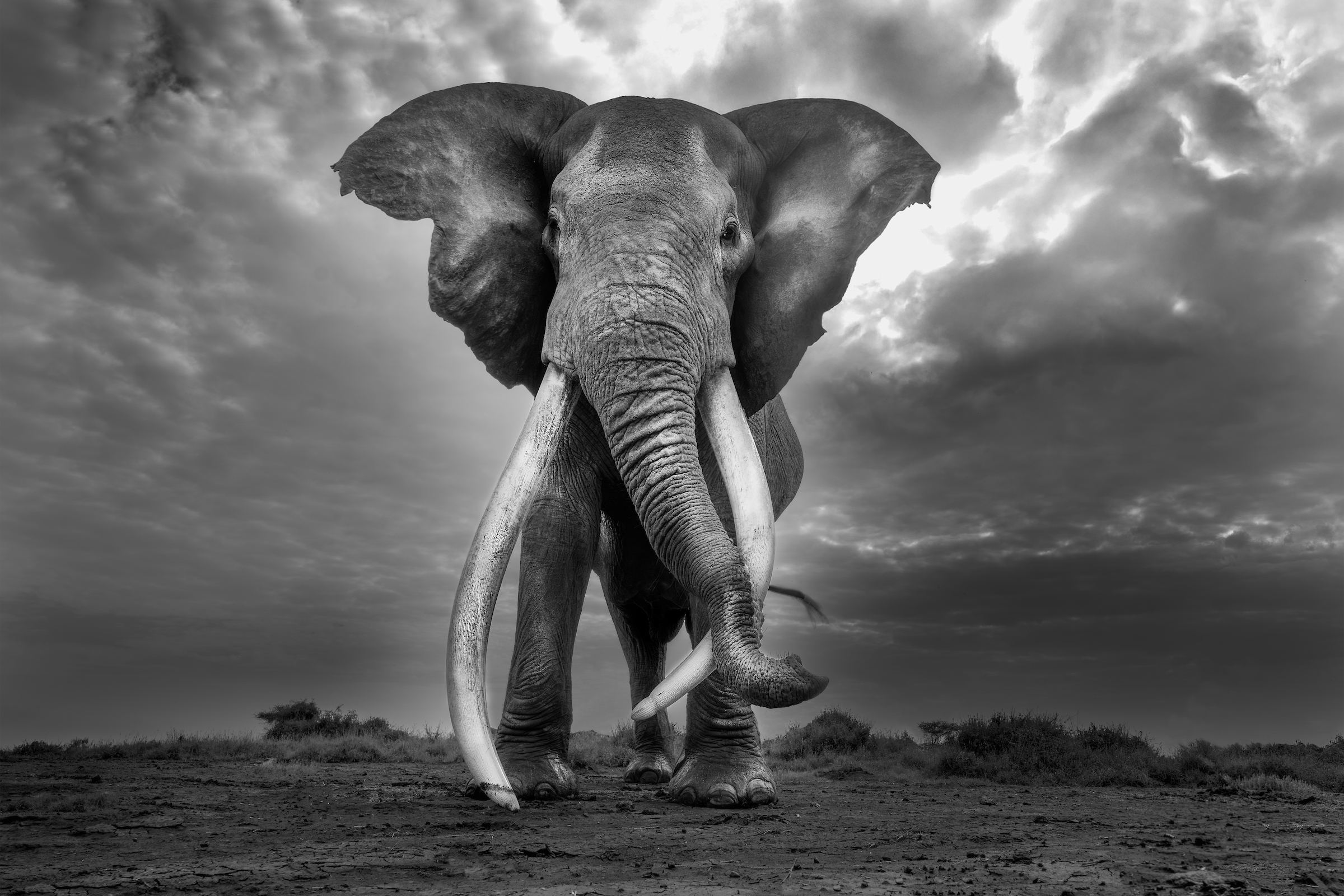
On the morning of 3 January 2026, Kenya lost one of its most powerful living symbols of wilderness. Craig, the legendary super tusker of Amboseli National Park, passed away peacefully at the age of 54. His death marked the end of an era—not only for Amboseli, but for elephant conservation across Africa.
For more than five decades, Craig moved slowly and deliberately across the open plains beneath Mount Kilimanjaro, his immense tusks sweeping close to the ground. To see him was to witness a living connection to a time when giants still roamed Africa without fear. He was not simply an elephant; he was proof that conservation, when done right, works.
Few wild animals are known by name. Fewer still are mourned across continents. Craig was both.
Who Was Craig the Elephant of Amboseli?
Craig was one of the last remaining true super tuskers in Africa, a term reserved for bull elephants whose tusks each weigh more than 45 kilograms (100 pounds). Born in January 1972, Craig belonged to the well-documented CB elephant family of Amboseli. His mother, Cassandra, was a respected matriarch whose leadership and calm authority shaped the family’s movements across the ecosystem.
From a young age, Craig stood out. His tusks grew longer, thicker, and heavier than most, early signs of rare genetics that would one day place him among Africa’s giants. Yet even as his size became unmistakable, it was his temperament that truly defined him. Craig was remarkably calm, unhurried, and tolerant—traits that would earn him admiration from rangers, researchers, photographers, and safari guests alike.
Amboseli: The Landscape That Raised a Giant
Amboseli National Park lies in the rain shadow of Mount Kilimanjaro, a landscape shaped by extremes. Dusty plains stretch toward the horizon, interrupted by permanent green swamps fed by underground meltwater from the mountain. It is a land where elephants must learn resilience early—where water, movement, and coexistence with people determine survival.
Craig grew up navigating these rhythms. As a young bull, he joined bachelor groups and ranged widely, moving between protected areas and Maasai community lands. Over time, his presence became familiar not just to wildlife authorities but to local communities who shared space with him. That coexistence—rare and fragile—became one of the defining reasons Craig survived as long as he did.
Surviving Kenya’s Darkest Years for Elephants
Craig’s early life unfolded during the most devastating period for elephants in Kenya’s history. During the 1970s and 1980s, rampant ivory poaching reduced the country’s elephant population from over 160,000 to fewer than 20,000. Across Africa, large-tusked bulls were systematically targeted, their genetics erased in a matter of decades.
Elephants like Craig were not meant to survive this era.
That he did is not coincidence. It is the result of sustained protection, growing awareness, and communities choosing conservation over destruction. Craig became a living witness to Kenya’s transition from crisis to cautious recovery.
What Made Craig a True Super Tusker
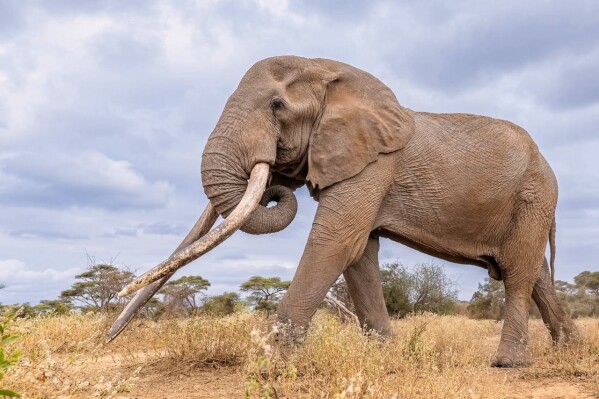
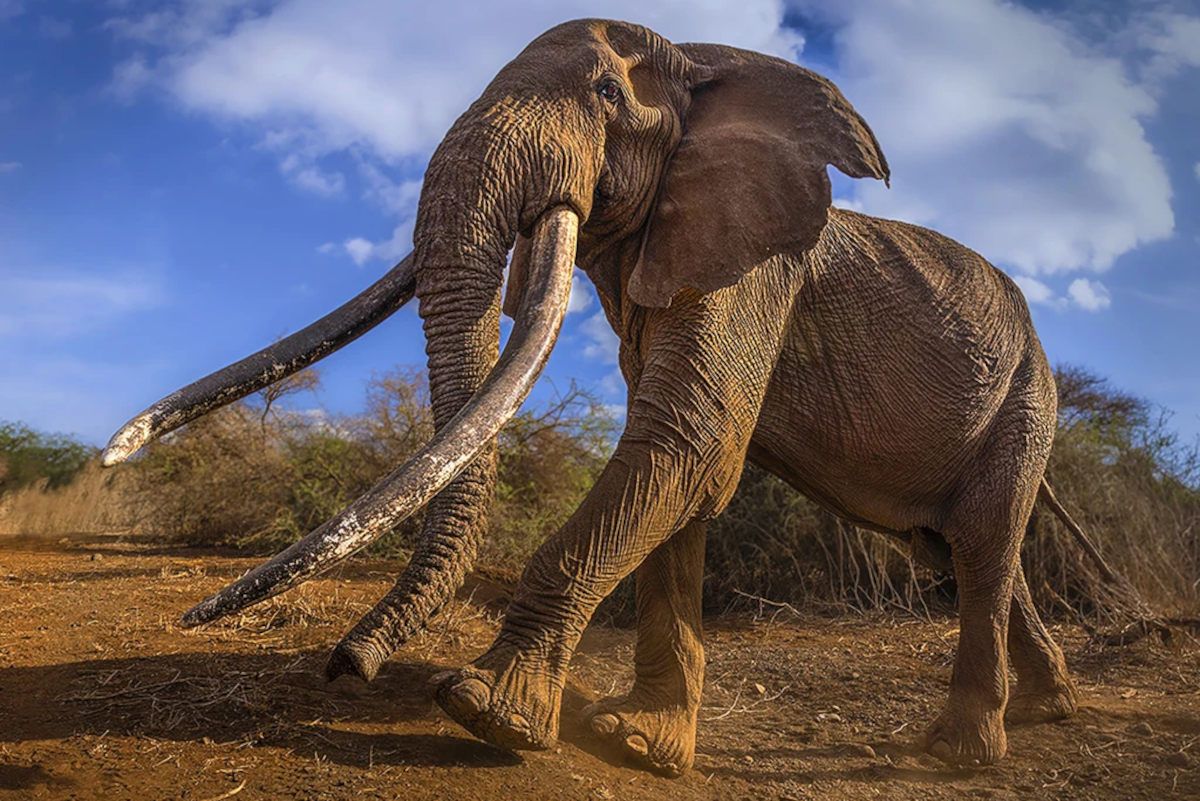
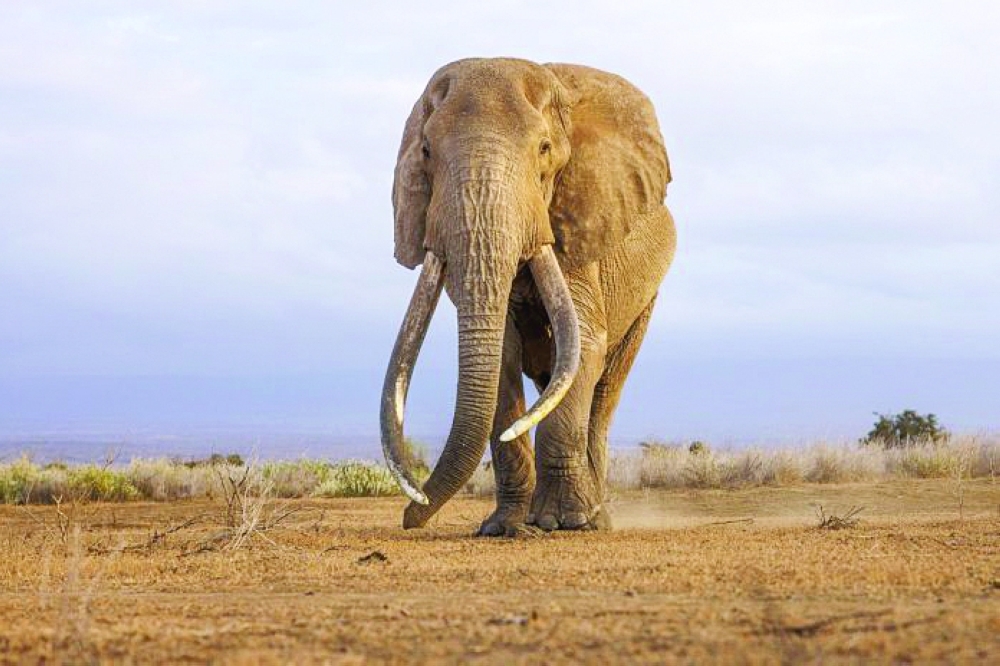
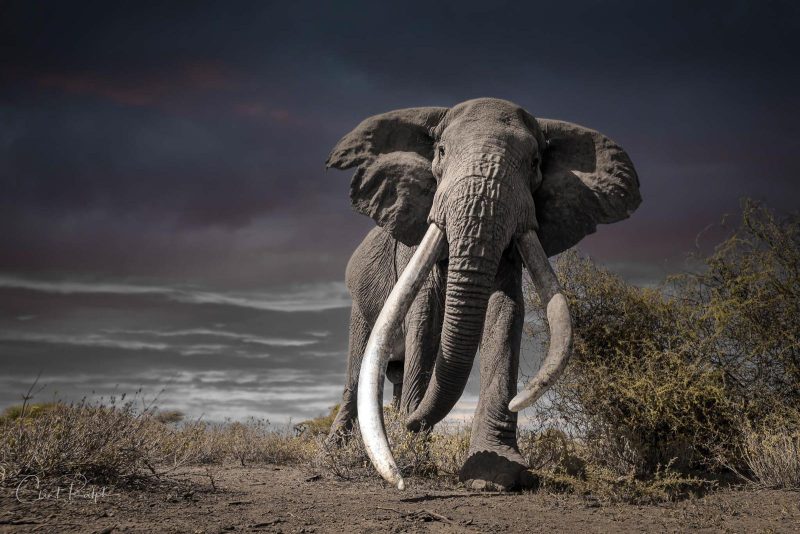
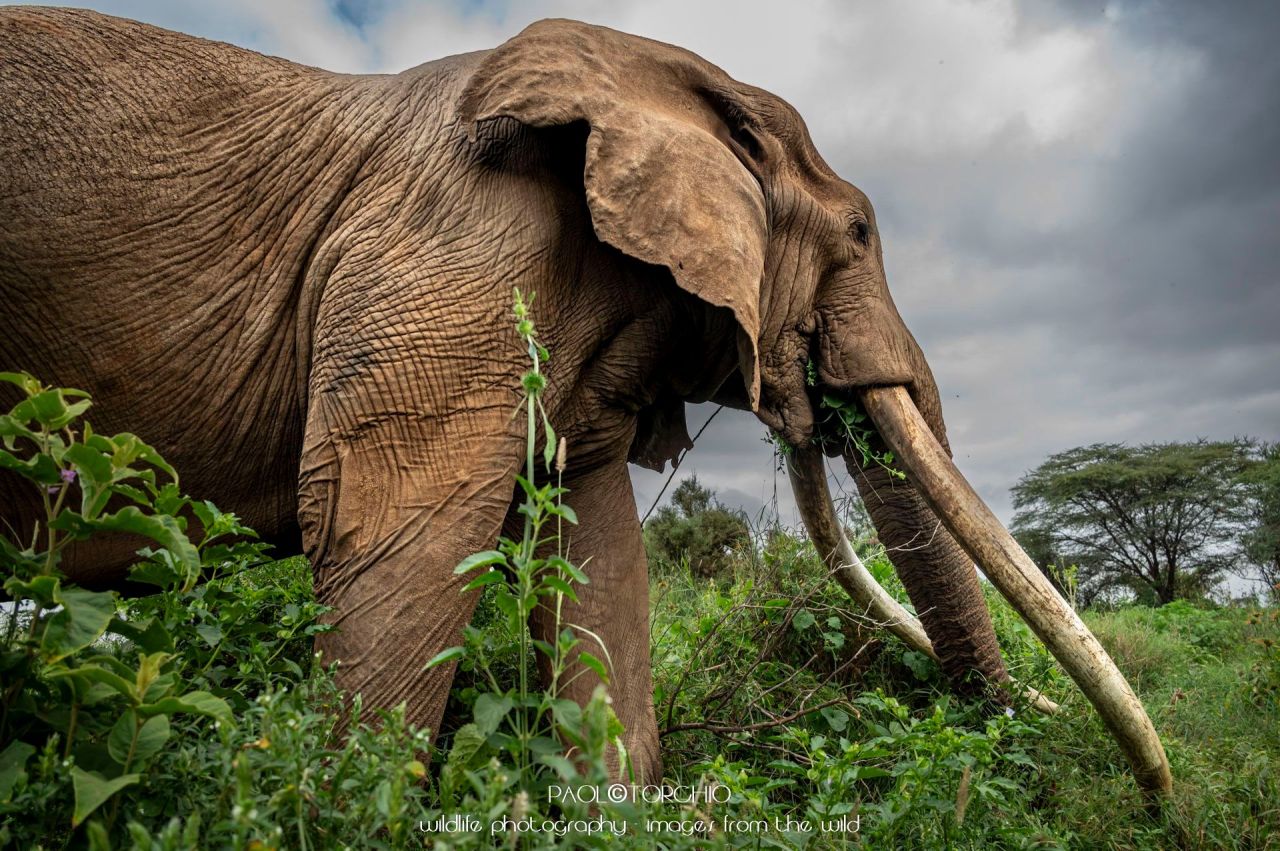
At full maturity, Craig stood over 10 feet tall at the shoulder and weighed close to seven tonnes. His tusks were among the largest carried by any living elephant, curving outward and downward in near-perfect symmetry. They were so long that they almost brushed the earth as he walked, giving him a silhouette that was instantly recognisable even from a distance.
In today’s Africa, where fewer than 25 true super tuskers are believed to remain, Craig represented a genetic lineage that is disappearing. His survival into old age preserved something irreplaceable—a reminder of what elephants once were, and what they can still be if protected.
The Gentle Giant of Amboseli
Despite his immense size, Craig was known for his gentleness. Guides referred to him as a “gentleman,” an elephant who tolerated vehicles and cameras with remarkable patience. Younger bulls often lingered near him, following his routes through Amboseli and into surrounding community lands, learning pathways that had sustained elephants for generations.
Craig rarely needed to assert dominance. His presence alone commanded respect. To stand near him was to feel a quiet authority, a sense that the landscape itself acknowledged him.
Born Into Legacy: Craig’s Early Life in Amboseli
Craig was born in January 1972 into the well-documented CB elephant family of Amboseli, one of the park’s most prominent and closely studied lineages. He entered the world alongside his twin sister, an exceptionally rare occurrence among elephants and one that immediately set his birth apart. Their mother, the matriarch Cassandra, was known for her strong leadership and deep family bonds, qualities that shaped both calves in their earliest years. Growing up beneath the shadow of Mount Kilimanjaro, Craig and his sister learned the rhythms of Amboseli together—how to navigate seasonal droughts, where to find water in times of scarcity, and how to coexist peacefully with the surrounding Maasai community lands. From a young age, Craig’s tusks showed unusual promise, growing longer and heavier than most, early signs of the rare genetics that would one day classify him as a true super tusker.
Decades of Protection That Made His Life Possible
Craig’s long life was the result of coordinated conservation efforts spanning decades. Kenya Wildlife Service rangers monitored and protected him, while long-term research by the Amboseli Trust for Elephants ensured he was continuously studied and understood. Anti-poaching operations led by organisations such as Big Life Foundation, combined with strong cooperation from Maasai communities on Olgulului land, created a protective network that allowed Craig to live freely.
After Kenya’s historic 1989 ivory ban, protection intensified. Community scouts, aerial surveillance, and intelligence-led patrols ensured that even as pressures increased, Craig remained safe. His symbolic adoption by Tusker Lager further elevated him to national icon status, reinforcing the message that conservation is a shared responsibility.
A Global Icon of Conservation Success
By the 2010s, Craig had become one of the most photographed elephants in Africa. Images of him standing beneath Mount Kilimanjaro spread across documentaries, conservation campaigns, and social media platforms worldwide. For many visitors, seeing Craig was the defining moment of their Kenyan safari—a sight that lingered long after the journey ended.
To local Maasai communities, Craig was more than famous. He was part of the land’s story, a reminder that coexistence between people and wildlife is not only possible, but necessary.
Craig’s Final Days
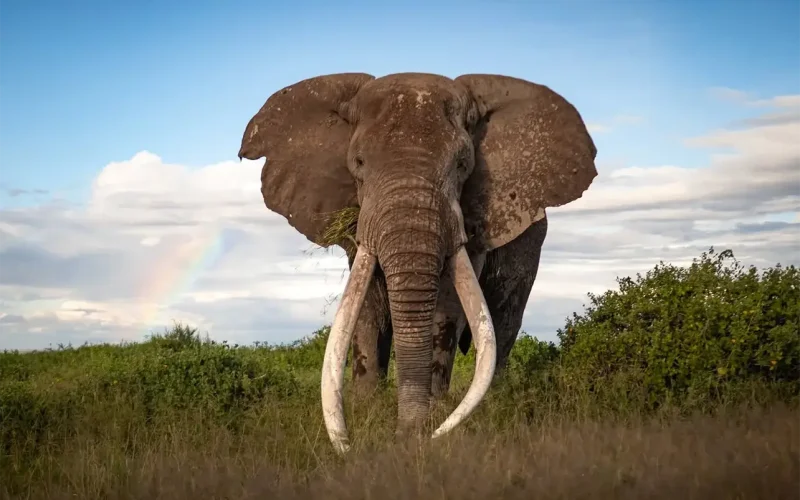
In late 2025, signs of age began to show. Like all elephants, Craig went through six sets of molars during his lifetime, and as his final set wore down, digestion became increasingly difficult. Rangers noticed poorly chewed vegetation in his dung and periods of weakness, clear indicators of an elephant nearing the end of a long life.
On 2 January 2026, Craig collapsed several times on community land near Amboseli. Rangers stayed with him through the night, monitoring his condition and ensuring his safety. In the early hours of 3 January, Craig lay down for the final time. Kenya Wildlife Service later confirmed that he died of natural causes, consistent with age-related molar wear.
For an elephant of his stature, this was a rare and dignified ending.
Why Craig’s Life and Death Matter
Craig’s death resonated far beyond Kenya because it represented something increasingly uncommon: a large-tusked elephant who lived long enough to die naturally. Across Africa, elephant populations have fallen from an estimated 1.3 million in 1979 to around 400,000 today, with habitat loss now rivaling poaching as the greatest threat.
Yet Kenya’s elephant numbers have shown cautious recovery, rising from 36,280 in 2021 to over 42,000 in recent years. Craig became the living symbol of that progress—a reminder that when governments, communities, and conservation organisations work together, success is possible.
The Legacy Craig Leaves Behind
Craig fathered many calves, ensuring that his rare genetics and calm temperament live on in Amboseli’s herds. His legacy is written not only in bloodlines, but in conservation models that work, in community scouts protecting wildlife, and in visitors who leave Amboseli with a deeper understanding of what is at stake.
Craig proved that giants can still walk free.
Walking in Craig’s Footsteps Today
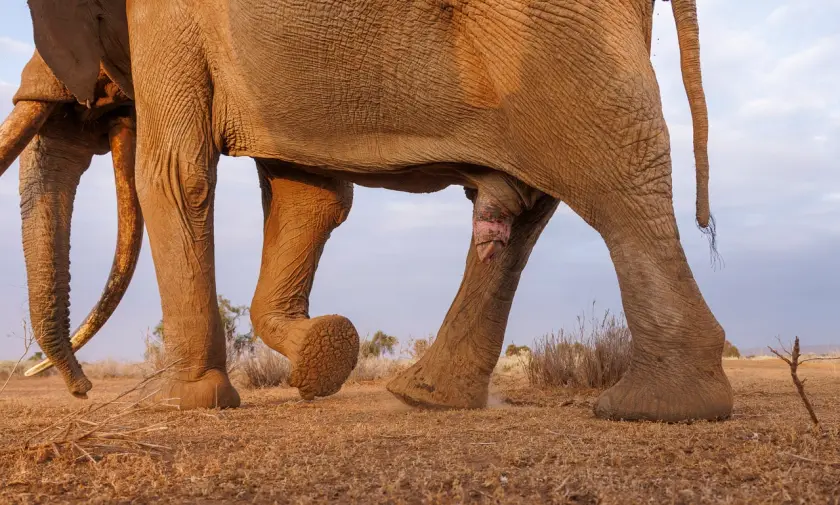
Amboseli remains one of Kenya’s most powerful safari destinations. The elephants still roam freely. The swamps still glow green beneath Kilimanjaro. And if you stand quietly long enough, you may feel the presence of those who came before.
When guests travel with Tototembo Safaris, conversations often drift south—from the Masai Mara to Amboseli, from herds to history, and inevitably, to Craig. Standing there, you understand why he mattered.
A Final Goodbye to a Giant
Craig did not die young.
He did not die hunted.
He died whole—protected, respected, and remembered.
In a world where giants are disappearing, Craig’s life stands as proof that conservation can succeed.
And that may be his greatest legacy of all.
Experience the Masai Mara Migration – A Journey of a Lifetime
The Masai Mara Migration is one of nature’s most awe-inspiring spectacles…
Why the Masai Mara Migration Should Be on Your Bucket List
Every year, over 1.5 million wildebeest, zebras, and gazelles migrate across the Mara River…
- Unparalleled Wildlife Encounters: Witness predators in action, including lions, leopards, and cheetahs.
- Stunning Landscapes: The golden grasslands and winding rivers provide breathtaking scenery.
- Cultural Immersion: Meet the Maasai people, witness their warrior traditions, and experience their unique way of life.
Choose Your Ideal Safari Package
Masai Mara Migration (Tour Van Option)
Perfect for families and small groups seeking affordability.
Rates:
| Start Dates | Solo Traveler (USD) | Per Person Sharing (USD) |
|---|---|---|
| January 3, 2025 – June 30, 2025 | 508 | 445 |
| March 11, 2025 – October 31, 2025 | 549 | 465 |
| November 1, 2025 – November 21, 2025 | 508 | 445 |
| December 22, 2025 – January 5, 2026 | 549 | 465 |
Masai Mara Migration (Land Cruiser Option)
For those looking for a premium experience.
Rates:
| Start Dates | Solo Traveler (USD) | Per Person Sharing (USD) |
|---|---|---|
| January 1, 2025 – March 31, 2025 | 938 | 662 |
| April 1, 2025 – May 31, 2025 | 829 | 586 |
| June 1, 2025 – June 30, 2025 | 938 | 662 |
| July 1, 2025 – October 31, 2025 December 22, 2025 – January 5, 2026 |
1117 | 799 |
| November 1, 2025 – December 21, 2025 | 938 | 662 |
Masai Mara Migration (Group Joining Option)
Perfect for budget-conscious travelers.
Rates:
| Start Dates | Solo Traveler (USD) | Per Person Sharing (USD) |
|---|---|---|
| January 3, 2025 – June 30, 2025 | 512 | 449 |
| March 11, 2025 – October 31, 2025 | 554 | 470 |
| November 1, 2025 – November 21, 2025 | 512 | 449 |
| December 22, 2025 – January 5, 2026 | 554 | 470 |
3 Day Masai Mara Budget Game Drive

Duration: 3 Days, 2 Nights
Highlights:
• Share the safari experience with like-minded travelers.
• Stay at the cozy Rhino Tourist Camp, offering comfort and convenience.
• Enjoy all the iconic sights and sounds of the migration at an unbeatable price.
Inclusions:
• Accommodation at Explore Nature Mara Lodge
• All meals (full board)
• Professional driver/guide
• Park fees (for non-residents)
• All activities listed in the itinerary
• All applicable taxes and VAT
Exclusions:
• Roundtrip airport transfers
• International flights
• Tips for guides and staff
• Personal items
Rates:
| Start Dates | Solo Traveler (USD) | Per Person Sharing (USD) |
|---|---|---|
| January 4, 2025 – March 15, 2025 | 630 | 488 |
| March 16, 2025 – June 30, 2025 | 618 | 477 |
| July 1, 2025 – September 30, 2025 | 681 | 530 |
| October 1, 2025 – December 20, 2025 | 618 | 477 |
| December 21, 2025 – January 3, 2026 | 681 | 530 |
What to Expect on Your Safari
Day 1: Arrival To Maasai Mara
Drive to Masai Mara and check-in.
Day 2: Full Day of Adventure
Enjoy a full-day game drive, exploring the migration hotspots.
Day 3: Departure
Enjoy a great Morning breakfast Followed by a Smooth and quick departure.
Enhance Your Safari Experience
- Hot Air Balloon Safari: Get a panoramic view of the vast plains.
- Visit a Maasai Village: Learn about their ancient customs and craftsmanship.
Why Choose Us?
- Experienced Guides: Our experts ensure you see the best wildlife.
- Unmatched Comfort: Stay in eco-luxury lodges and camps.
- Flexible Options: Tailor-made safaris available.
Book Your Masai Mara Migration Adventure Today!
Don’t miss out! Contact us to reserve your spot and embark on the adventure of a lifetime.
The style guide provides you with a blueprint of Paperback’s default post and page styles. The style guide is also a great reference for suggested typographic treatment and styles for your content.
Right Aligned Image

Images may be two-dimensional, such as a photograph, screen display, and as well as a three-dimensional, such as a statue or hologram. They may be captured by optical devices – such as cameras, mirrors, lenses, telescopes, microscopes, etc. and natural objects and phenomena, such as the human eye or water surfaces. The word image is also used in the broader sense of any two-dimensional figure such as a map, a graph, a pie chart, or an abstract painting. The word image is also used in the broader sense of any two-dimensional figure such as a map, a graph, a pie chart, or an abstract painting. The word image is also used in the broader sense of any two-dimensional figure such as a map, a graph, a pie chart, or an abstract painting.
Left Aligned Image
The word image is also used in the broader sense of any two-dimensional figure such as a map, a graph, a pie chart, or an abstract painting. In this wider sense, images can also be rendered manually, such as by drawing, painting, carving, rendered automatically by printing or computer graphics technology, or developed by a combination of methods. Images may be two-dimensional, such as a photograph, screen display, and as well as a three-dimensional, such as a statue or hologram.
A volatile image is one that exists only for a short period of time. This may be a reflection of an object by a mirror, a projection of a camera obscura, or a scene displayed on a cathode ray tube. A fixed image, also called a hard copy.
Heading One
Heading Two
Heading Three
Heading Four
Heading Five
Heading Six
Blockquote
The blockquote is used to indicate the quotation of a large section of text from another source. It can be as long or as short as you’d like!
Those of us that had been up all night were in no mood for coffee and donuts, we wanted strong drink. We were, after all, the absolute cream of the national sporting press.
Table Styles
| BEATLE | INSTRUMENT | SONG |
|---|---|---|
| John Lennon | Guitar | A Day In the Life |
| George Harrison | Guitar | Old Brown Shoe |
| Paul McCartney | Bass | Helter Skelter |
| Ringo Starr | Drums | Don’t Pass Me By |
Code Formatting
pre {
    position: relative;
    background: #f7f7f7;
    font-family: "Courier 10 Pitch", Courier, monospace;
    font-size: 15px;
    font-size: 1.5rem;
    line-height: 1.6;
    margin-bottom: 1.6em;
    padding: 1.6em;
    overflow: auto;
    max-width: 100%;
    tab-size: 4;
}
Mixed List Items
- Unordered list item one
- Unordered list item two
- Ordered list item one
- Ordered list item two
- Unordered list item one
- Unordered list item two
- Ordered list item one
- Ordered list item two
- Ordered list item three
- Unordered list item three
- Ordered list item three
- Unordered list item three
The style guide provides you with a blueprint of Paperback’s default post and page styles. The style guide is also a great reference for suggested typographic treatment and styles for your content.
Right Aligned Image
Images may be two-dimensional, such as a photograph, screen display, and as well as a three-dimensional, such as a statue or hologram. They may be captured by optical devices – such as cameras, mirrors, lenses, telescopes, microscopes, etc. and natural objects and phenomena, such as the human eye or water surfaces. The word image is also used in the broader sense of any two-dimensional figure such as a map, a graph, a pie chart, or an abstract painting. The word image is also used in the broader sense of any two-dimensional figure such as a map, a graph, a pie chart, or an abstract painting. The word image is also used in the broader sense of any two-dimensional figure such as a map, a graph, a pie chart, or an abstract painting.
Left Aligned Image
The word image is also used in the broader sense of any two-dimensional figure such as a map, a graph, a pie chart, or an abstract painting. In this wider sense, images can also be rendered manually, such as by drawing, painting, carving, rendered automatically by printing or computer graphics technology, or developed by a combination of methods. Images may be two-dimensional, such as a photograph, screen display, and as well as a three-dimensional, such as a statue or hologram.
A volatile image is one that exists only for a short period of time. This may be a reflection of an object by a mirror, a projection of a camera obscura, or a scene displayed on a cathode ray tube. A fixed image, also called a hard copy.
Heading One
Heading Two
Heading Three
Heading Four
Heading Five
Heading Six
Blockquote
The blockquote is used to indicate the quotation of a large section of text from another source. It can be as long or as short as you’d like!
Those of us that had been up all night were in no mood for coffee and donuts, we wanted strong drink. We were, after all, the absolute cream of the national sporting press.
Table Styles
| BEATLE | INSTRUMENT | SONG |
|---|---|---|
| John Lennon | Guitar | A Day In the Life |
| George Harrison | Guitar | Old Brown Shoe |
| Paul McCartney | Bass | Helter Skelter |
| Ringo Starr | Drums | Don’t Pass Me By |
Code Formatting
pre {
    position: relative;
    background: #f7f7f7;
    font-family: "Courier 10 Pitch", Courier, monospace;
    font-size: 15px;
    font-size: 1.5rem;
    line-height: 1.6;
    margin-bottom: 1.6em;
    padding: 1.6em;
    overflow: auto;
    max-width: 100%;
    tab-size: 4;
}
Mixed List Items
- Unordered list item one
- Unordered list item two
- Ordered list item one
- Ordered list item two
- Unordered list item one
- Unordered list item two
- Ordered list item one
- Ordered list item two
- Ordered list item three
- Unordered list item three
- Ordered list item three
- Unordered list item three